Innovation
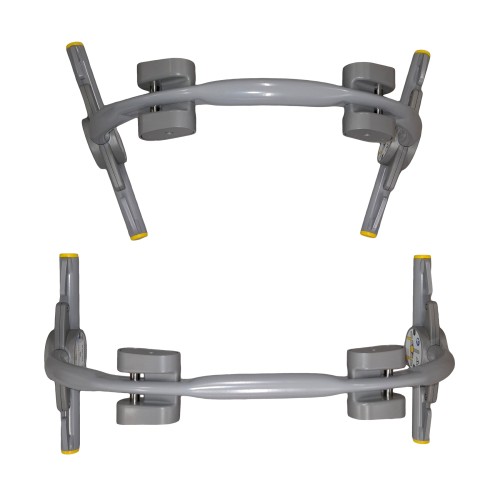
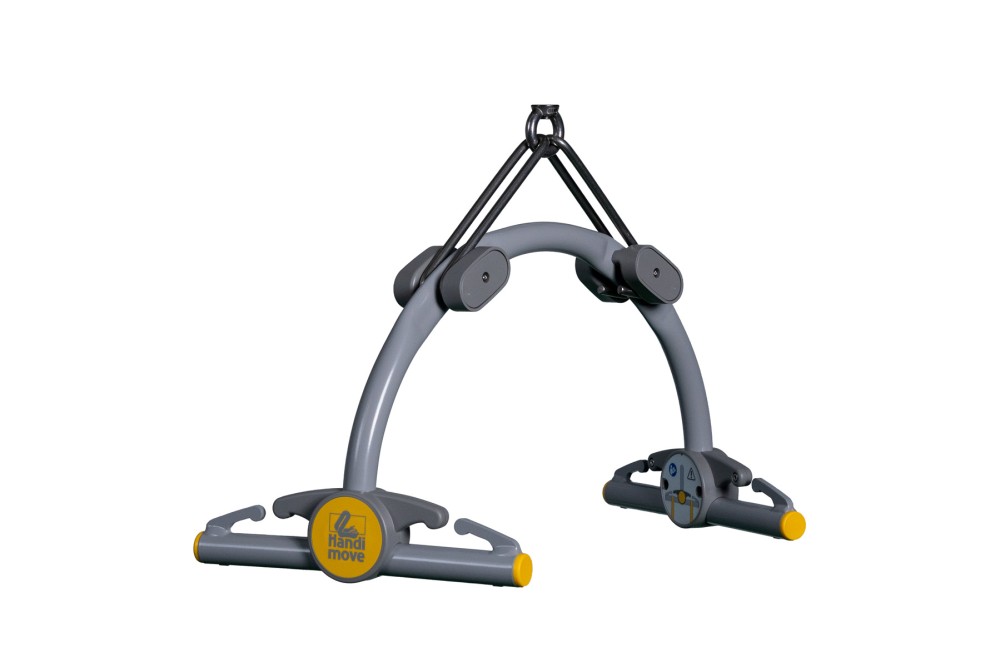
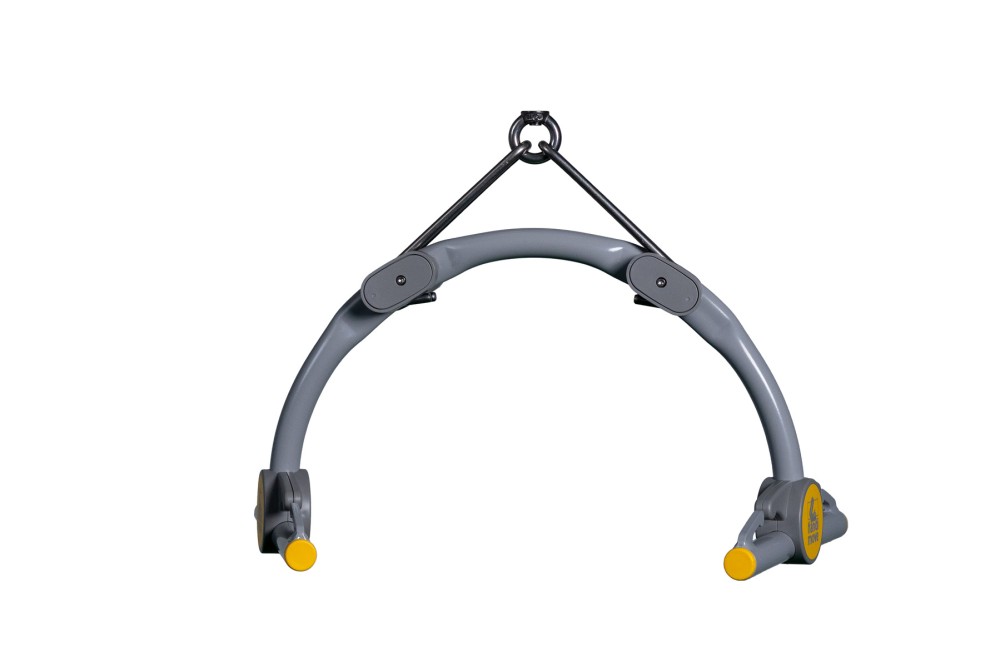
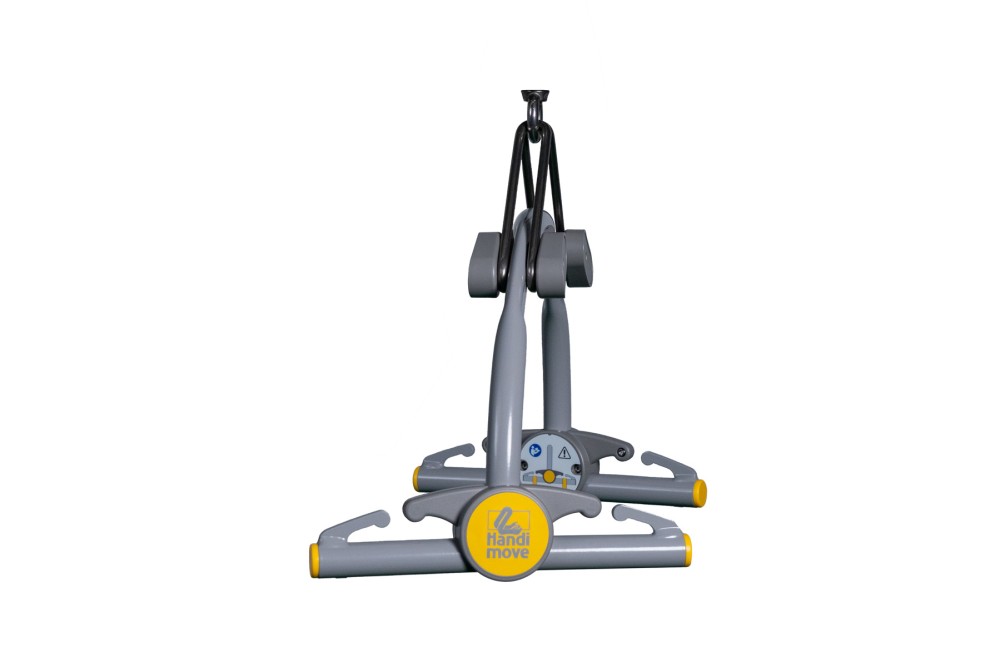
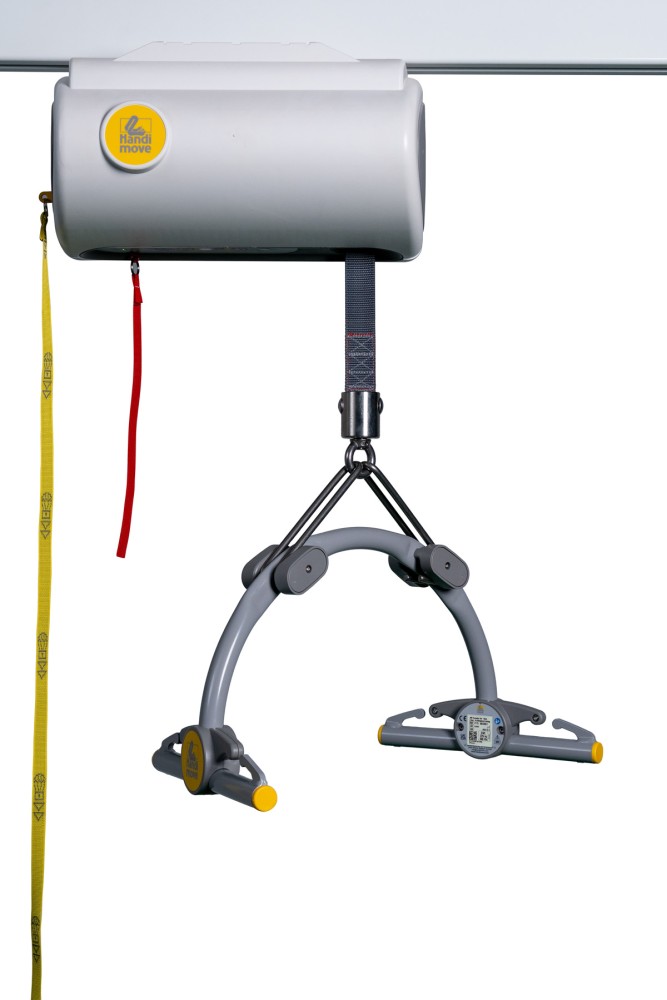
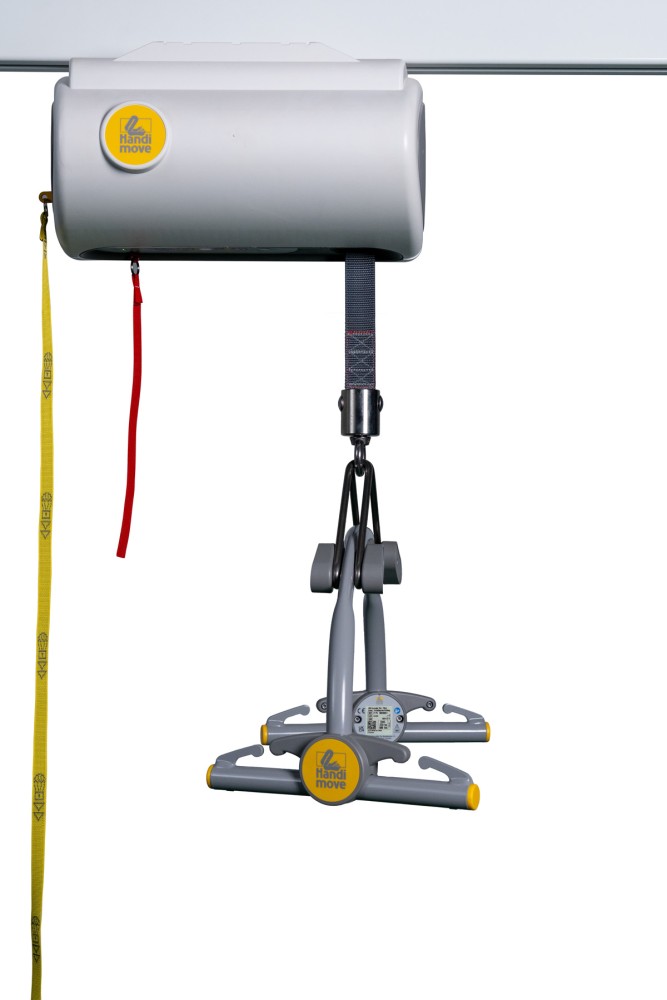
4-point spreader bar - with narrow and wide side
Extra comfort through adaptability to user and sling
- Narrow and wide side for extra adaptability
- Better fit to the user and the sling
- Helps reduce sliding through with hygiene (toileting) slings
- Also comfortable with standard slings
- Ideal for children, smaller users or users with reduced muscle tone
- Easily interchangeable with the Body Support® or digital scale
- Generous headroom, magnetic holders and durable stainless steel
- Model 2175
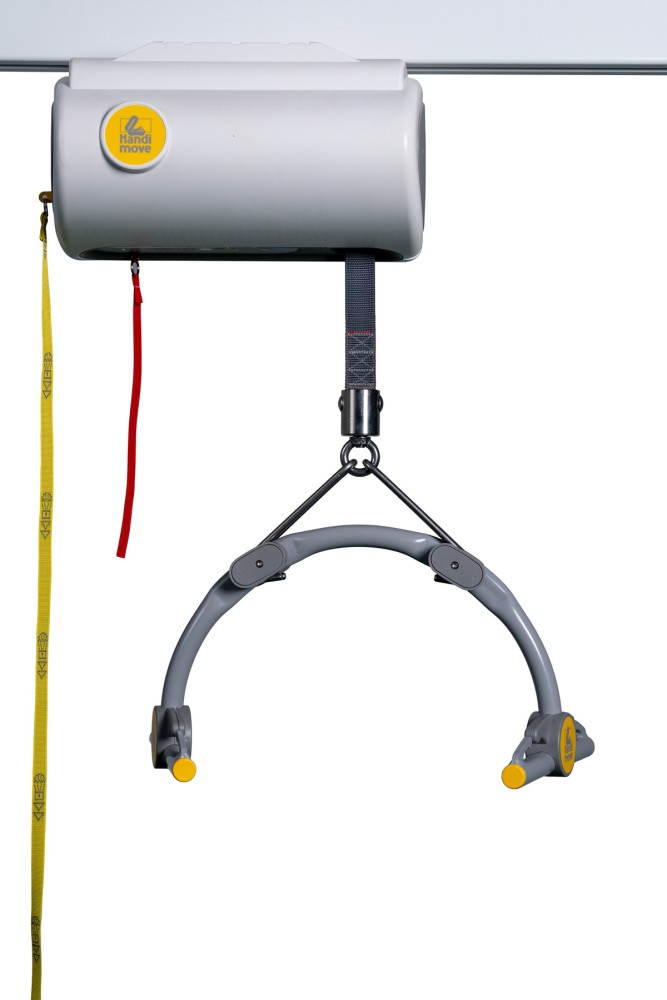
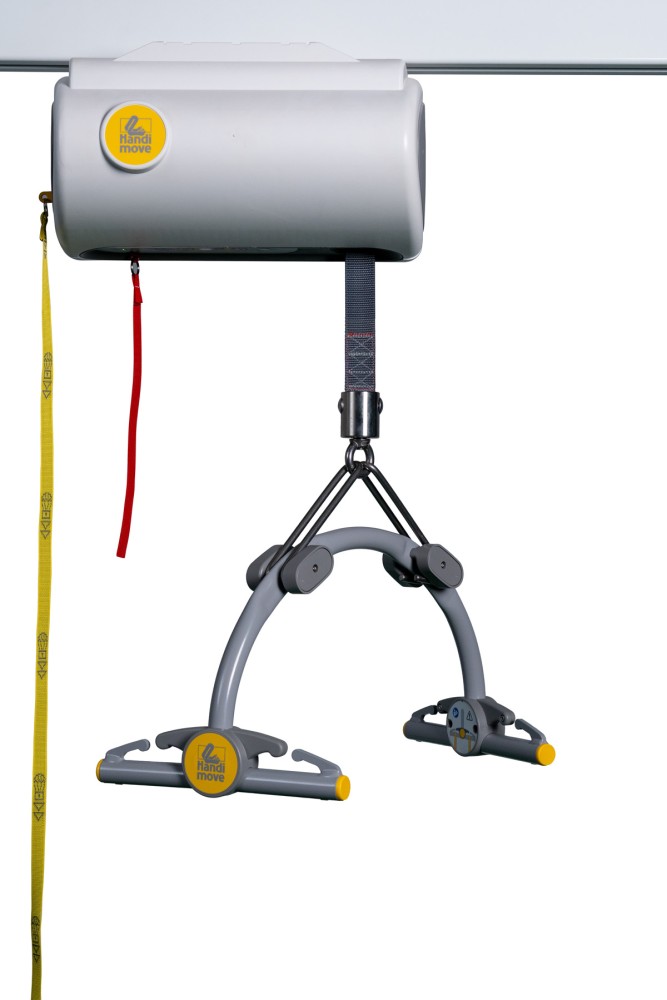
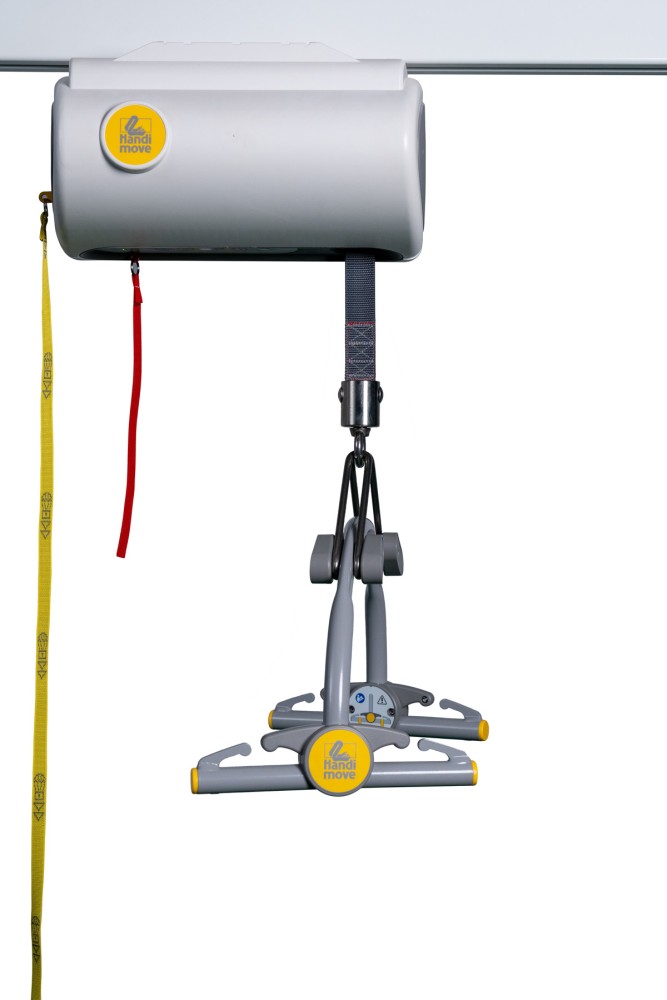


Extra comfort through adaptability
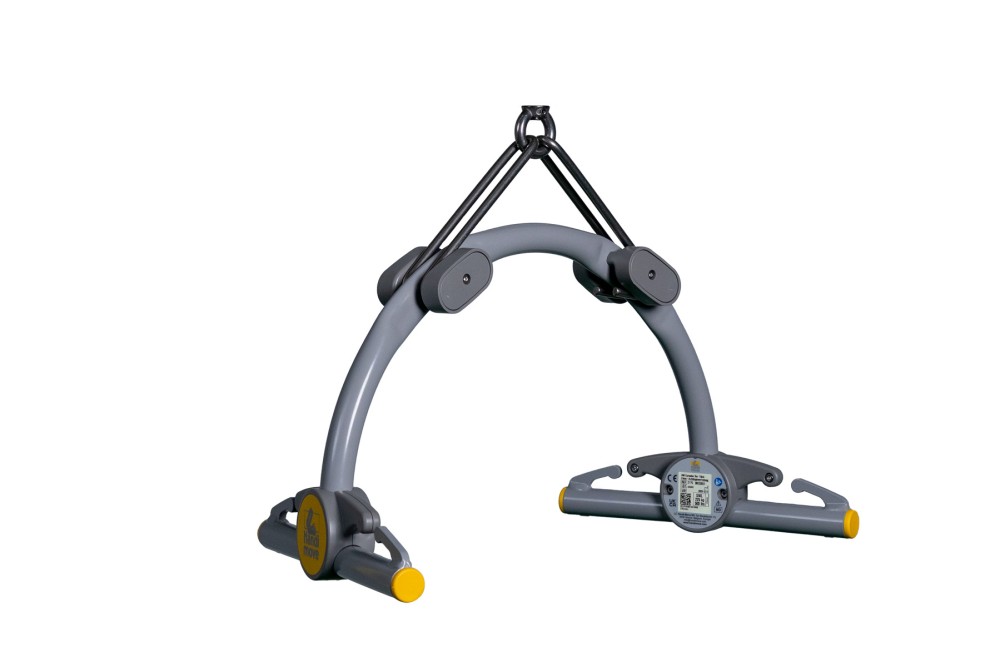
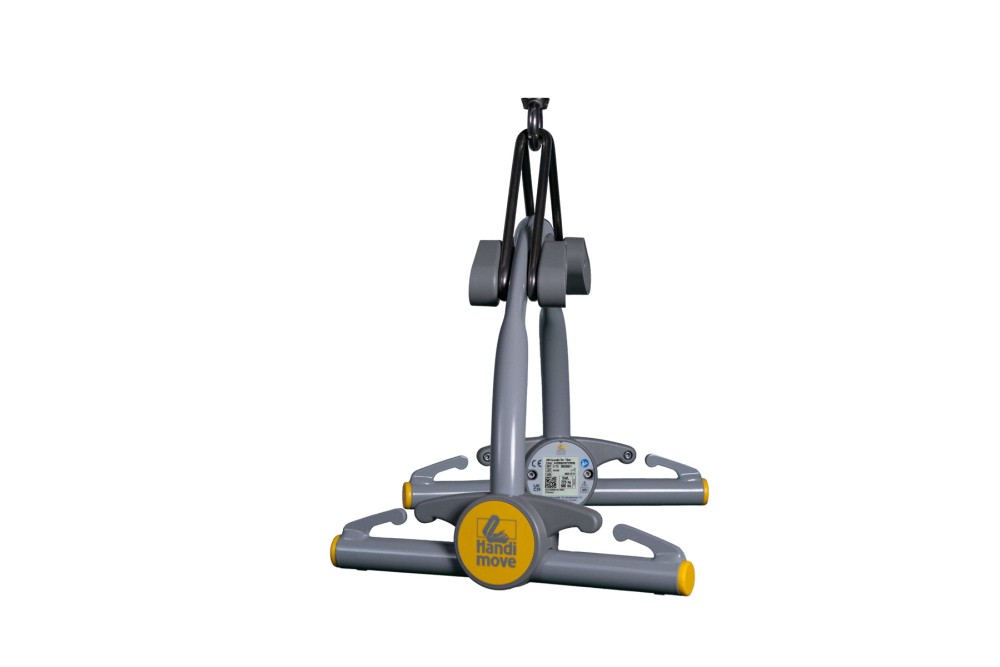
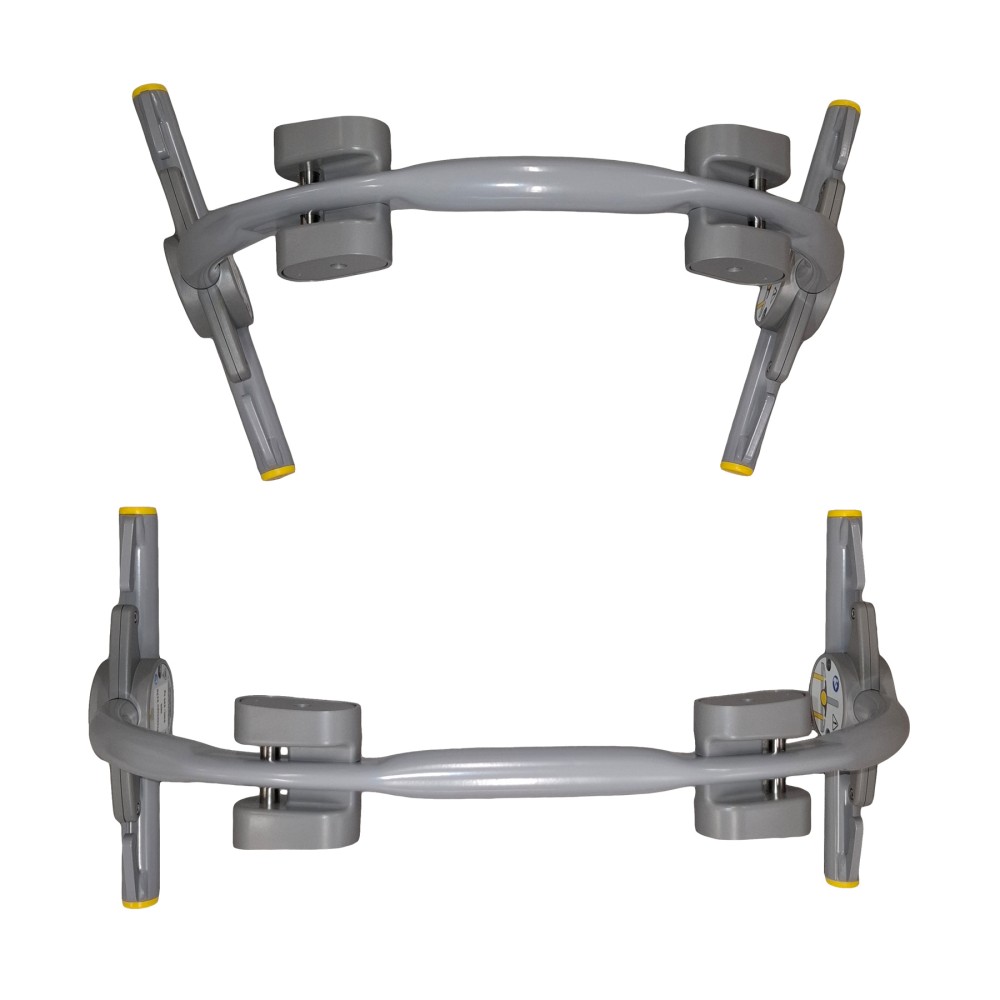
The 4-point spreader bar 2175 builds on the trusted 4-point concept, but adds an important innovation: a narrow side and a wide side. This allows the caregiver to match the spreader bar more closely to the user's build and to the type of sling.
This adaptability gives the sling a better fit. The user enjoys more comfortable support, while the caregiver has more options to position each user correctly and carry out every transfer safely.
One spreader bar for different users
Model 2175 is particularly versatile. The narrow side can be useful for children or smaller users, while the wide side offers more room for taller or heavier-built users. This means the same spreader bar can be used in a wide range of situations.
That is practical in a care setting where several users with different needs are lifted. The spreader bar “grows” with the user, as it were, and offers extra flexibility in the long term.
Less sliding through when using a hygiene sling
Good positioning is essential with a hygiene (toileting) sling. Thanks to the narrow and wide side of model 2175, the sling loops can be attached in a more targeted way. This helps to support the user better and to reduce sliding through the sling.
For the user, this means more comfort and a greater sense of security during the transfer. For the caregiver, it means more control during transfers to and from the toilet.
Also comfortable with standard slings
Model 2175 is not only useful with hygiene slings. With a standard sling, too, the angled version offers extra possibilities. By turning the spreader bar 180°, the wide side can, for example, be used at the shoulder end and the narrow side at the leg end.
This way, the sling follows the user's build more closely. This increases comfort and makes it easier to lift the user in a natural, well-supported way.
Practical for the caregiver
Because model 2175 offers several positioning options, the caregiver does not need to change spreader bars as often. One spreader bar can be used in different situations, depending on the user, the sling and the support required.
This increases efficiency on the care floor. The caregiver can respond more quickly to the user's needs, without compromising on comfort or safety.
Generous headroom and controls within reach
Like model 2170, model 2175 offers generous headroom during the transfer. This gives more freedom of movement around the head and shoulders and makes it easier to guide the user.
The magnetic holders for the hand control keep the controls tidy and within easy reach. This keeps the transfer clear and practical.
Durable quality in stainless steel
Model 2175 is made of stainless steel. The spreader bar is strong, durable and suitable for intensive use in daily care. The combination of sturdy material and well-thought-out design makes this spreader bar a flexible solution for a wide range of users and transfers.
Model 2170 or 2175: which 4-point spreader bar should you choose?
SureHands offers two new 4-point spreader bars: model 2170 and model 2175. Both are designed for comfortable lifting with a sling and can easily be interchanged with other SureHands accessories, such as the Body Support® or the digital scale. The main difference lies in the shape of the suspension points.
Model 2170 is the straight version. The suspension points are parallel, so the width is the same on both sides. This makes the 2170 a versatile, user-friendly choice for daily transfers where simple, familiar positioning is preferred.
Model 2175 has asymmetric suspension points, which give the spreader bar a narrow side and a wide side. This shape gives the caregiver more options to adapt the sling to the user. With a hygiene sling, for example, the narrow side can be used for the shoulder loops and the wide side for the leg loops. This helps to support the user better and to reduce sliding through the sling.
With a standard sling, model 2175 can be turned 180°. The wide side can then be used at the shoulder end and the narrow side at the leg end. This ensures the sling fits different body types better.
In short: model 2170 is the universal straight version for everyday use. Model 2175 offers extra adaptability thanks to its narrow and wide side. It is particularly useful for children, smaller users, users with reduced muscle tone, or situations where the sling needs an even closer fit.